Retaining Strategic Building Firm Completing Work Safely
Understanding the Role of a Commercial General Contractor in Ensuring High-Quality Construction
A commercial general contractor is indispensable in the construction field. They ensure projects meet deadlines and stay within financial limits. Their role involves managing intricate timelines and coordinating various parties. This integration is essential for upholding safety and quality benchmarks. Understanding their responsibilities demonstrates their effect on final project success. What specific strategies do they employ to overcome obstacles and achieve successful outcomes?
The Importance of a Commercial General Contractor
Although some may misjudge their importance, a commercial general contractor is essential to the success of building projects. Acting as the primary point of coordination, these professionals confirm that all parts of the build are unified without issue. Their expertise encompasses not only project management but also effective communication between stakeholders, including clients, subcontractors, and suppliers. By monitoring resource allocation, budgets, and schedules, they lessen dangers and improve operational efficiency.
Furthermore, commercial general contractors handle intricate regulatory landscapes, ensuring adherence to local safety standards and building codes. Their experience in conflict resolution and handling issues is extremely valuable, particularly when unforeseen difficulties occur during the build. Ultimately, a skilled commercial general contractor encourages cooperation, increases effectiveness, and adds to the total quality of the build. Their pivotal role lays the groundwork for successful outcomes, making them integral to any building endeavor, regardless of scale or complexity.
Key Responsibilities of a Commercial General Contractor
While overseeing a construction project, a commercial general contractor assumes a multitude of key responsibilities that are vital for project achievement. Primarily, they manage project schedules, ensuring deadlines are met and that the project progresses as planned. They also manage the finances, controlling costs and guaranteeing that financial resources are effectively allocated.
Furthermore, the general contractor is tasked with recruiting and coordinating sub-trades, picking suitable specialists for specific jobs such as piping and wiring tasks. They make certain the project conforms to local construction standards and safety rules, lessening dangers associated with building operations.
Additionally, a commercial general contractor is tasked with securing necessary permits and licenses to facilitate the construction process. Regular site visits are carried out by the contractor to oversee standards and development, resolving problems that arise promptly. Their primary responsibility is to make certain that the project meets specifications, meets the deadline, and is completed under the allocated funds.
Managing Coordination and Communication in Building Projects
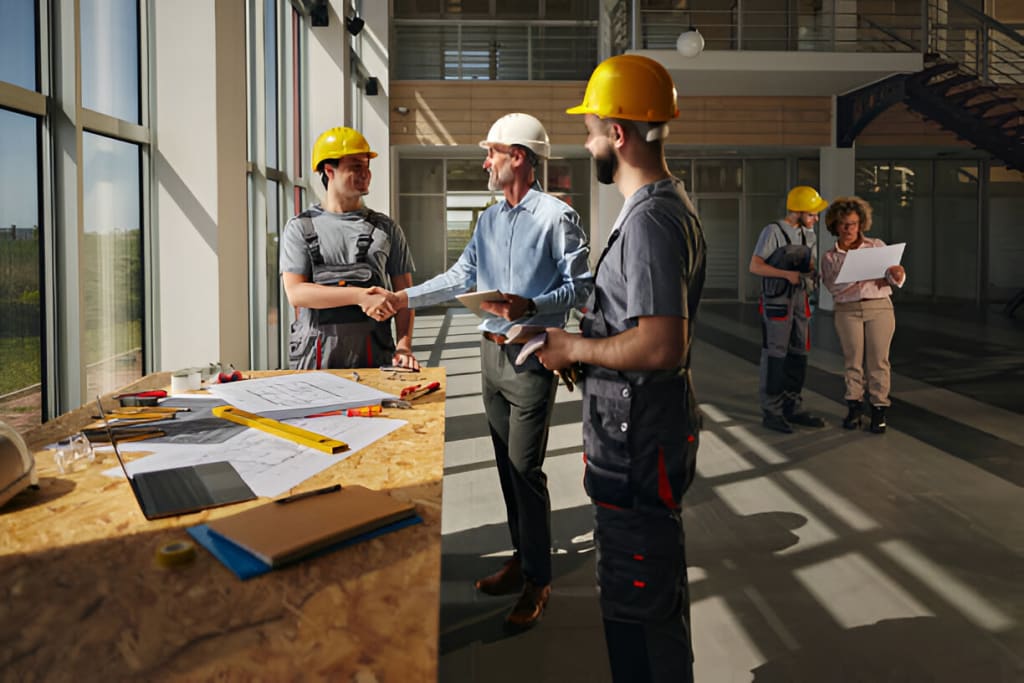
Successful coordination and communication full details are vital components in the successful completion of building projects, as they guarantee that all stakeholders are aligned with the project's goals and timelines. The general contractor is central in aiding this coordination by setting up defined communication channels among subcontractors, suppliers, clients, and architects. The contractor ensures that information regarding project progress, changes, and potential issues are communicated promptly and effectively.
Regular meetings and status reports are integral to this management effort, enabling conflicts to be resolved quickly and the adjustment of schedules as needed. The contractor's ability to foster collaboration among different parties boosts the project's overall effectiveness and minimizes misunderstandings. In addition, the use of project management tools and technologies can make communication more efficient, making sure that all parties have access to the most current information. In the end, good coordination and clear communication result in better project results and client contentment in the construction industry.
Financial Oversight and Budget Control
Financial oversight and budget control are vital to the successful completion of building projects, making certain resources are used effectively and costs are controlled. A commercial general contractor plays a pivotal role in this process by creating comprehensive budgets based on the scope of work and expected client outcomes. They monitor expenditures throughout the duration of the project, spotting deviations and performing needed modifications to avoid overruns.
The contractor also collaborates with subcontractors and suppliers to negotiate contracts, guaranteeing fair pricing while upholding standards of quality. Routine financial reports and projections enable stakeholders to remain current and make timely decisions. By enforcing rigorous financial measures, the contractor mitigates risks associated with unanticipated expenditures, preserving the financial stability of the project. Ultimately, prudent fiscal management and oversight improve the feasibility of the project but also build confidence among stakeholders, paving the way for successful project completion.
Ensuring Safety and Quality Standards
A thorough approach to ensuring safety and quality standards is critical for construction projects, where the stakes are high and the margins for error are slim. General contractors in the commercial sector are key players in implementing rigorous safety protocols and standards of quality from start to finish. They are responsible for adhering to industry standards, local codes, and best practices, which minimizes project risks and enhance overall project integrity.
For this purpose, contractors often conduct regular site inspections, check that safety procedures are followed, and supply regular workforce instruction. They also engage qualified subcontractors and suppliers who prioritize quality results, making sure the work and materials meet required specifications. By promoting high standards of safety and quality, commercial general contractors safeguard their employees but also increase the permanence and strength of their structures, which yields positive project results and client satisfaction.
Commonly Asked Questions
Which Credentials Should I Seek in a General Contractor?
When selecting a general contractor, one should consider their licenses, insurance, experience, references, and project portfolio - Hickory top rated Commercial General Contractor. Furthermore, strong communication abilities and a demonstrated ability to manage time and financial constraints are crucial for achieving project success
What is the Best Way to Choose the Right Contractor for My Project?
To select the right contractor, one should evaluate their experience, check references, review past projects, confirm licenses and insurance, and guarantee clear communication. A thorough interview process can help reveal if they are a good fit for the project.
What Are Common Challenges Faced by Commercial General Contractors?
Commercial builders commonly encounter difficulties including managing subcontractors, labor shortages, budget limits, scheduling issues, and compliance requirements. These issues can impact project timelines, costs, and overall quality unless managed properly during construction.
What is the Contractors' Approach to Unforeseen Problems During Building?
When faced with unforeseen problems, contractors typically respond by quickly evaluating the situation, formulating alternative solutions, and keeping all parties informed. Hickory top rated Commercial General Contractor. The staff often leverage experience and teamwork to execute solutions, guaranteeing minimal interference to the project's timeframe and financial plan
What Is the Usual Schedule for a Commercial Construction Project?
The standard timeframe for a commercial construction project ranges from multiple months to a couple of years, based on factors such as the scope of the project, complexity, the necessary permits, and the availability of labor and materials.